Garage Door Panel Replacement: What You Need To Know
For residential garage doors, a frequently asked question we receive is whether or not an individual garage door panel replacement is possible. Many homeowners rightfully wish to avoid purchasing an entire door, especially if the damage appears minor. The short answer is yes. However, it depends on a variety of factors, which we’ll address in the article below and when a garage door repair professional needs to get involved.
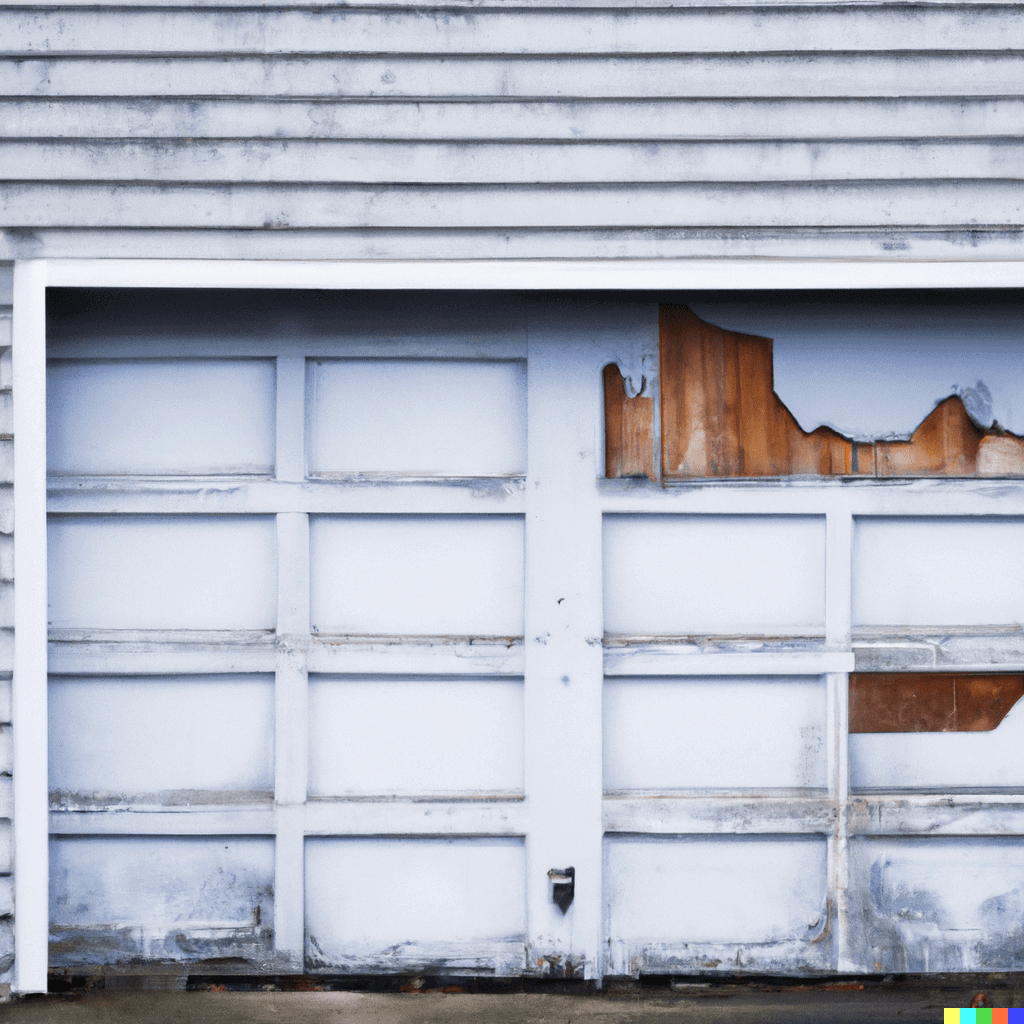
When Do I Need Garage Door Panel Replacement?
Determining whether or not your garage door needs to be replaced depends on several factors unique to your situation. These factors include the age of the door, the extent of damage done to the door, and the design of your particular garage door.
The age of your garage door can play a significant role in determining its current condition. If your door is approaching or exceeding its expected lifespan, it may be more cost-effective to replace it rather than continuing to invest in repairs.
Additionally, the extent of the damage to the door is another important consideration. If the damage is minor and limited to a few small areas, repairs may be sufficient to restore the door to full functionality. However, if the damage is extensive or structural, it may be more practical to replace the door.
Finally, the design of your garage door is another crucial factor. Some garage door designs may be more prone to damage or wear and tear than others. In these cases, it may be worth considering a replacement to ensure that your new door is designed to withstand the specific conditions of your garage and provide reliable performance over time.
The Age of Your Garage Door Panels
If your garage door is over 15 years old and you need to replace a panel, it can be challenging to find the right replacement panel due to changes in manufacturing and design over the years. As a result, you may be left with two options: repairing the garage door panel or replacing the entire garage door.
Repairing the panel may be a viable option if the damage is minor or limited to one panel. However, if the damage is extensive or affects multiple panels, replacing the entire door may be more cost-effective in the long run.
Our team of experts can help you evaluate the extent of the damage to your garage door and recommend the best course of action based on your needs and budget. We take pride in providing high-quality garage door repair and replacement services to ensure that your garage door remains functional, secure, and attractive for years to come.
Type of Damage Done to Door
Small cosmetic issues such as small dents or scratches on your garage door can often be fixed easily by a garage door repair professional. However, if the dents are larger or more structural, it may be necessary to replace the entire garage door panel.
If the damage extends across many panels, replacing the entire garage door may be the best solution. Our team of experts can evaluate the extent of the damage and recommend the best course of action based on your specific needs and budget.
Door’s Design and Layout
It’s important to note that some garage door models do not allow for individual panels to be replaced, as they are designed as one cohesive unit. Therefore, it’s best to consult with a garage door professional to determine whether or not the panels on your garage door can be replaced.
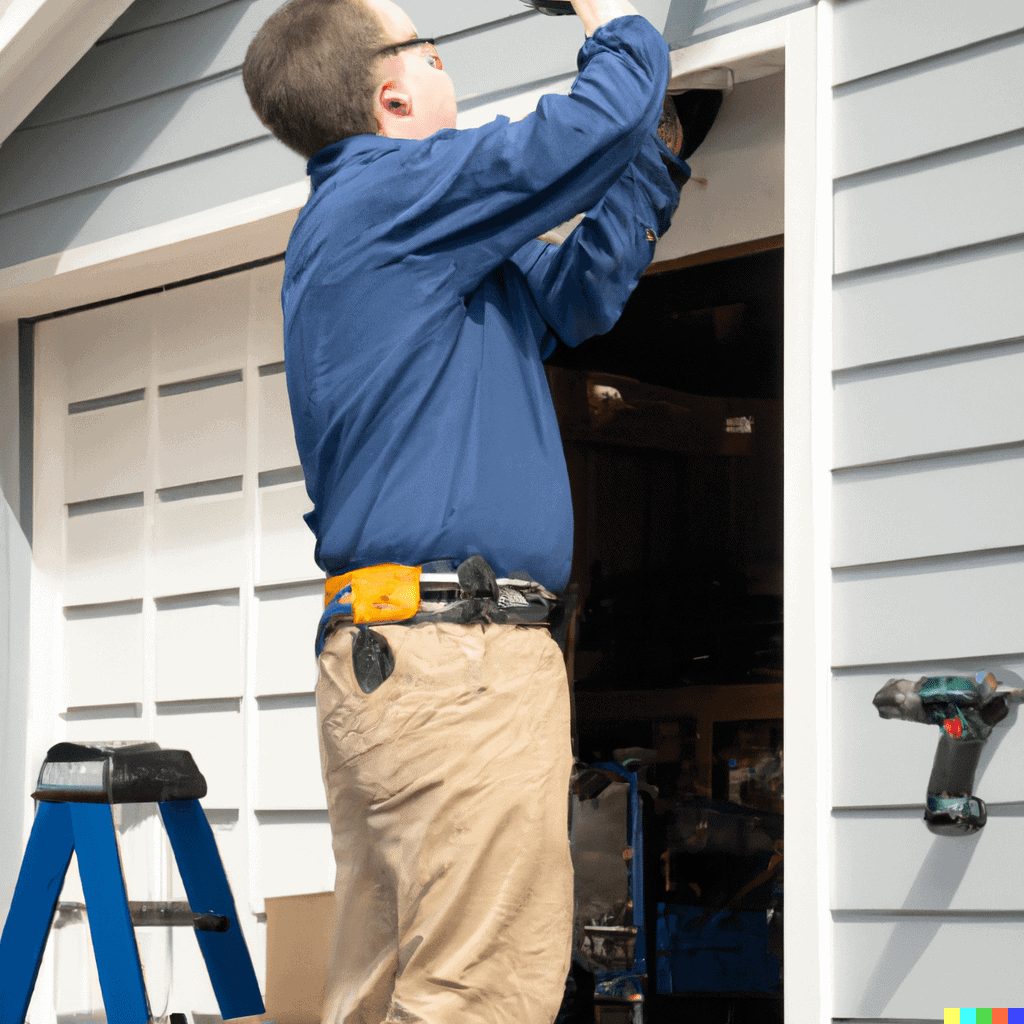
Can I Replace Just The Panels On a Garage Door?
It is indeed possible to replace just a single panel on a garage door. However, if multiple panels require replacement, it may be more cost-effective to replace the entire garage door.
Furthermore, some garage door models are designed in such a way that individual panels cannot be replaced due to limitations in the design. It’s essential to consult with a garage door professional to determine the best course of action for your specific situation.
How Much Does it Cost to Replace A Garage Door Panel?
The cost of replacing a single garage door panel can vary depending on several factors. Typically, the cost ranges from $250 to $800, which includes the price of the panel and the cost of installation.
The final cost will depend on the make and model of your garage door, as well as the complexity of the installation process. Some garage door models may require more extensive labor, which can drive up the overall cost of the panel replacement.
At The Overhead Door Company, we pride ourselves on providing high-quality garage door services at a fair and reasonable price. Our team of experts can provide you with a detailed quote that outlines all of the costs associated with replacing a garage door panel, ensuring that you are fully informed before making any decisions.
How Much Is a Single Garage Door Panel?
The cost of purchasing a single garage door panel can vary depending on the type of garage door you own. Typically, the cost ranges from $100 to $500 for the panel alone, excluding installation fees.
The final cost will depend on several factors, including the make and model of your garage door, the material of the panel, and the size of the panel required for replacement.
It’s important to keep in mind that purchasing a garage door panel alone does not include the cost of installation, which can add to the overall expense.
Can I DIY My Panel Replacement?
While it’s tempting to tackle garage door repairs on your own, replacing a panel is best left to professionals. This is because the weight of the door, the specific tools required, and the complexity of the installation process can be hazardous for those without the necessary experience and expertise. Improperly installed components can lead to further damage or even injury, making it crucial to seek professional assistance for this type of repair.
Consulting with a residential garage door expert is the best way to ensure that your garage door panel replacement is done correctly and safely. Before reaching out to a professional, it’s helpful to have the following information on hand to streamline the process:
- Garage Door Panel Measurements: Knowing the width, height, and thickness of the garage door panel to be replaced is crucial in selecting the correct replacement panel. Measuring the panel accurately ensures that the replacement panel fits seamlessly into your garage door without any issues.
- Your Garage Door Manufacturer and Model: Providing your garage door manufacturer and model number can help the garage door expert identify the specific panel needed for replacement, as well as any additional details required to ensure a proper installation.
- Garage Door Color: Matching the color of the replacement panel to the rest of the garage door is essential to maintaining the aesthetic appeal of the garage door.
- Types of Joints/Hinges Used: Identifying the types of joints or hinges used in your garage door helps the garage door expert select the appropriate replacement panel and ensure a seamless installation.
At our company, we have a team of expert professionals dedicated to providing top-notch garage door services, including panel replacement. We take pride in delivering reliable and efficient services to ensure that your garage door remains functional and secure for years to come.
Talk to A Overhead Door Professional About Garage Door Panel Replacement
Are you experiencing issues with your garage door panels, and are unsure of the next steps to take? Don’t let a damaged or outdated garage door detract from the appearance and functionality of your home. Contact an overhead door professional today to discuss your options for panel replacement.
Our team of experienced technicians is here to assist you every step of the way, from selecting the right panels to ensuring a seamless installation process. Trust us to provide top-quality service and products that will leave you with a garage door that looks and operates like new.
Don’t wait any longer to address your garage door panel issues. Contact us now to schedule a consultation and take the first step towards a better-looking and more functional garage door

About The Author | Justin White
Justin White is the VP of Marketing for Mid-Atlantic Door Group, Inc. The company opened in 1973 and now consists of (3) official Overhead Door™ Distributors and (8) warehouse locations throughout Maryland, DC, Virginia and Pennsylvania. Justin was born into the door industry, ultimately following in his father's footsteps and joining the family owned business in 2011. After spending time in the field with fellow mechanics, Justin found his niche in marketing, along with a specialty in residential garage door sales, installation, and service.